Application guide · Canada
Robotic painting and finishing in Canada
Painting a wall on a changing construction site and coating a component in a factory are different automation problems. Define the surface, coating, preparation and working environment first, then evaluate the right equipment and commercial model.
Equipment to explore
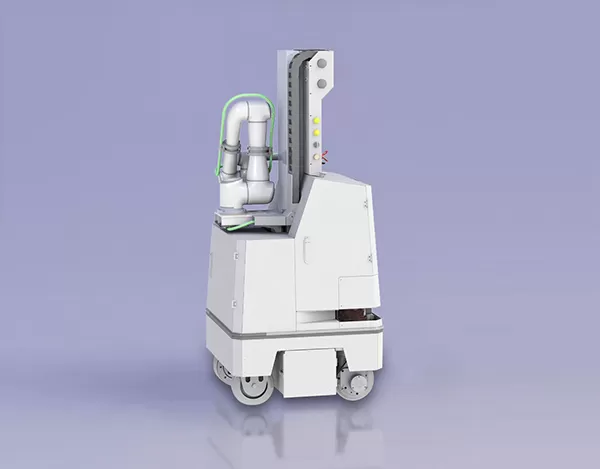
Legend LQ05A painting robot
See a robotic approach to interior wall painting. Discuss site access, surface preparation, coating and finish requirements before selecting equipment.
Configuration, Canadian availability and support scope are confirmed for your project.
Loads YouTube only when you press play.
Products to explore
Where to begin
Find the task worth automating.
Interior wall painting
Explore repeatable wall areas with suitable access. Account for masking, openings, corners, furniture, floor protection and moves between rooms.
Industrial spray coating
Assess component geometry, coating requirements and the production environment. The robot, application equipment and coating process need to be considered together.
Sanding and surface preparation
Define the substrate, required surface finish and dust-control approach. Tool wear, contact force and access influence the complete process.
Construction layout
A construction layout robot marks a plan on the site; it does not perform painting. Evaluate drawing preparation, control points, marking accuracy and verification as a separate workflow.
Before choosing a product
Three checks that shape the shortlist.
Preparation remains part of the job
Record masking, filling, sanding and protection work separately. Identify what the proposed system automates and what the crew still does.
Application environment
Review the coating and equipment with qualified project specialists, including ventilation, exposure controls and suitability for the intended environment.
Site logistics and consistency
Check access, repositioning, utilities, surface variation and cleaning between tasks. A demonstration on one open wall does not establish whole-project productivity.
Build the business case
Measure the complete job.
What to test in a pilot
Choose a representative room, wall section or part family. Record preparation, setup, application, repositioning, touch-up and cleanup separately. Inspect finish quality using agreed criteria and compare the complete job with the existing process.
What belongs in the budget
Evaluate cost per accepted finished area or component. Include crew time, coatings, consumables, transport, commissioning, site preparation and rework. For RaaS, specify who supplies materials, who operates the equipment and how downtime is handled.
Common questions
Before you take the next step.
Is a painting robot an easy RaaS business?
A subscription can simplify the purchase decision, but it does not remove operating work. Utilisation, transport, setup, cleaning, operator training and service response need a viable plan before monthly pricing is agreed.
Can one robot handle every coating or surface?
Do not assume this. Confirm coating compatibility, substrate, application method, reach and finish requirements for the exact system. Factory paint robots and construction painting equipment are separate product categories.
Can Kiza explore an application without a listed model?
Yes. Describe the work, location, surface, coating and project scale. We can begin a sourcing discussion and confirm product and implementation options before presenting a proposal.
Plan for your environment.
Discuss the operating conditions that matter in your industry.
Tell us about the work
Bring us the application.
We’ll start with the requirements.
Share your task, location, operating environment and preferred timeframe. Our guided enquiry helps you organise the details for a sourcing and implementation discussion.